A Designer's Look at the Ruler Rainbow Coloring Icon
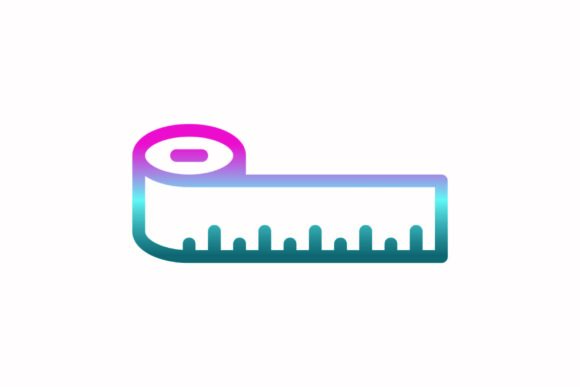
When a new embroidery design lands in your library, the real question isn't "is it pretty?"—it's "where does it live?" As someone who stitches designs for clients and my own small shop, I look at every file with a project already in mind. So, let's unpack the Ruler Rainbow Coloring Icon. The name gives you the theme immediately: a ruler, likely with that classic rainbow color bar. It's an icon, a graphic. This means it’s meant to be simple, recognizable, and scalable. My first impression is that it has a cheerful, utilitarian vibe. It’s playful but functional, hinting at creativity, measurement, and craft itself. It feels perfect for the maker community.
The Natural Habitat for This Design
I picture this icon stitched onto a canvas tote bag for a fellow crafter—a birthday gift that says "I see what you do." I see it on the pocket of a denim apron in a small handmade shop. It would be a charming, subtle logo for a stationery brand or a pattern designer. On a baby's quilt or nursery pillow, its rainbow colors and ruler theme suggest growth and creativity. For holiday gifts, think teacher presents or gifts for your crafty friends. Its scalable nature, as indicated by the SVG and JPG formats, means it can adapt from a small 3-inch hoop on a tea towel to a larger statement on a sweatshirt. That versatility is key.
Where the Rainbow Ruler Really Shines
Let’s talk real-life embroidery situations. On custom apparel like t-shirts or sweatshirts, this icon would work best as a smaller accent—near the collar or on the sleeve. It feels more like a signature than a centerpiece. For tote bags and aprons, it’s a fantastic main motif. The clear, graphic shapes promise good stitch clarity. As an embroidered patch, it would be incredibly popular; it’s a recognizable symbol for makers. In digital product previews or printable mockups for your craft business, this icon adds a polished, professional touch. It suggests precision and creativity, which builds customer trust in your brand.
Handling the Stitching: Practical Considerations
This is a graphic icon, so details like the ruler's markings and the rainbow segments need attention. On textured fabrics like linen or canvas, the stitch density must be right to keep those clean lines. On stretchy fabric like t-shirt knits, a good stabilizer is non-negotiable to prevent distortion. The rainbow colors mean you'll need to consider thread color contrast against the background fabric. On dark fabric, those bright rainbow hues will pop beautifully, but the ruler details might need a lighter thread for the outlines.
There are places I'd use this design carefully. On curved surfaces like caps, the long, straight ruler shape might need positioning adjustment to look natural. In very small hoop sizes, the tiny numbering or markings on the ruler could become a dense, muddy area if the fill stitch isn't optimized. Always test the design on scrap fabric first. Run a sample on both light and dark fabric to see how the color palette works. Check those small details under real stitching conditions.
Turning a File into a Finished Product That Sells
How does the Ruler Rainbow Coloring Icon affect your final product? For Etsy sellers and creative entrepreneurs, this design adds a layer of visual appeal that’s both fun and clever. It tells a story. On a personalized gift, like an embroidered pillow for a new quilter, it feels thoughtful and niche. That increases its giftability. For commercial embroidery projects or small shop merchandise, it offers brand consistency if your business is about making, designing, or measuring. It creates instant recognition with a certain audience.
From a professional standpoint, the clean lines of an icon like this usually translate well to satin stitch borders and fill stitch areas for the color blocks. It should embroider with a crisp, professional finish that elevates the look of a handmade product. This boosts buyer engagement—people connect with smart, simple symbols.
A Few Designer Notes Before You Hoop It
My final thoughts are always practical. Since specific details like exact stitch count or hoop size aren’t provided in the description, you'll need to open the file in your software to check. Confirm the licensing before using it for finished items you plan to sell. For both personal and commercial projects, knowing the rules is essential.
Test it in black and white mockups to see if the composition holds up without color. Inspect how the design scales; a good embroidery file should handle resizing without losing integrity. Match your thread colors to the rainbow spectrum carefully—a muted rainbow might look sophisticated, while a bright one feels playful. Choose based on your product. And finally, think about the fabric’s life: if it’s going on a kitchen towel or baby embroidery item that needs frequent washing, a robust stitch structure is key. The Ruler Rainbow Coloring Icon has the potential to be a versatile, meaningful asset in your embroidery toolkit—just give it the thoughtful setup any good design deserves.