A Designer's Review of Halloween Coloring Page for Kids 8 for Real Embroidery Projects
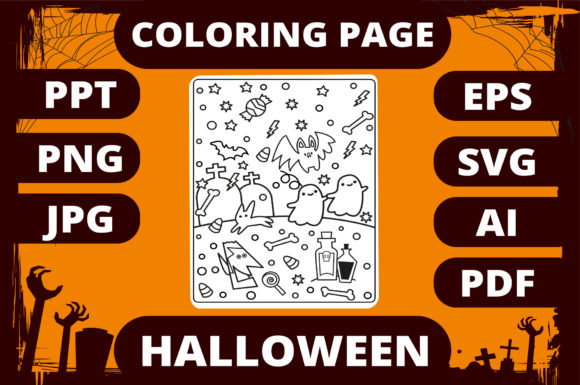
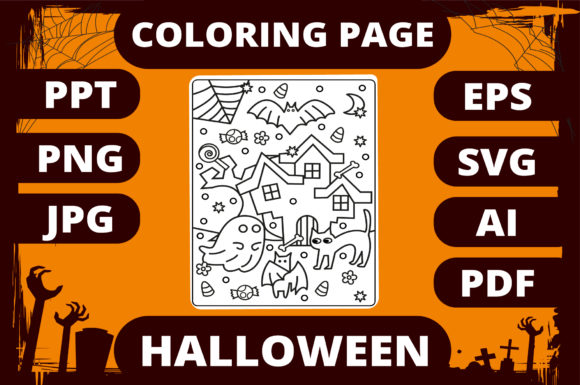
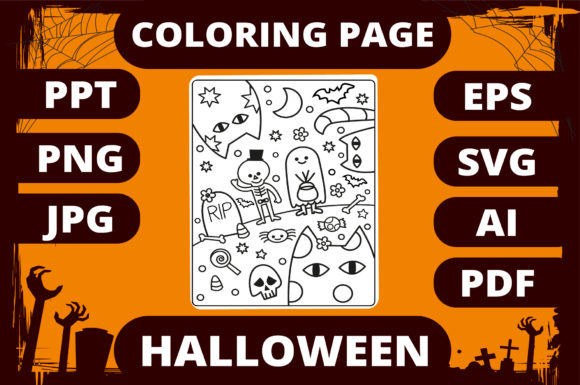
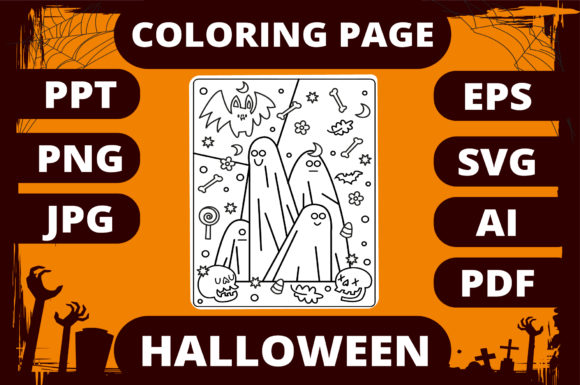
When a Halloween design lands in my queue for a potential embroidery project, my first thought isn't just about its cuteness—it's about its translational integrity. How will this flat graphic look when it's rendered in thread? Halloween Coloring Page for Kids 8 presents a cheerful, cartoonish Halloween scene that immediately evokes a playful, family-friendly mood. The shapes are bold and clean, with generous outlines and well-defined characters. This isn't a hyper-detailed illustration; it's a confident, simple layout that feels like it’s asking to be stitched.
The Immediate Fit: Where This Design Naturally Belongs
My mind goes straight to custom apparel for kids and homemade holiday gifts. Imagine this design embroidered on the corner of a cozy fleece blanket for a toddler, or centered on a lightweight sweatshirt. The scale—being a standard page size—means it's adaptable, but its visual personality is pure, joyful Halloween. It avoids scary elements, leaning into pumpkins and friendly bats, which makes it perfect for baby items, nursery decor, or a personalized pillow cover for a child's room. For a small shop owner, this could be a charming addition to a line of seasonal boutique merchandise, like embroidered tea towels or apron pockets.
From Graphic to Stitched Reality: Practical Performance Considerations
Let's walk through a real scenario. I’m considering this for a custom embroidered tote bag for a client’s Halloween giveaway. The design’s open areas and clear outlines suggest it would handle fill stitches and satin stitch borders well. However, the level of detail in smaller elements, like the tiny stars or the bat’s smile, requires attention. On a textured fabric like canvas for a tote, very small details might lose clarity unless the stitch density is managed carefully. This is where testing on scrap fabric becomes crucial.
For apparel, like a t-shirt or baby onesie, the design’s overall size is a benefit, but on stretchy fabric or thin fabric, using the proper stabilizer is non-negotiable to prevent puckering. The bold shapes would hold up better on these substrates than a design with delicate, thin lines. On a curved surface like a cap, the central, larger elements would adapt nicely, but the outermost decorative bits might need slight repositioning to avoid distortion.
Careful Application: When to Be Strategic
There are places where I’d use this design with specific intent, and others where I might pause. The clean outlines are excellent for creating a crisp embroidered patch. However, if you're working with a very small hoop size, attempting to cram the entire, rich scene in might lead to a muddled look. It might be better to isolate one primary character for a smaller project.
Using it on dark fabric requires thoughtful thread color contrast. The original coloring page likely uses light backgrounds, so translating that to a dark navy sweatshirt means choosing bright, opaque thread colors to maintain that cheerful vibe. Always run a black-and-white mockup first to check value contrast, not just color. Dense stitch areas, like filling a large pumpkin, can become heavy; using a lighter fill stitch pattern can keep the final product flexible and softer, ideal for wearables.
Impact on Product Value and Customer Perception
From a business perspective, a well-executed embroidery of this design speaks volumes. It turns a generic digital embroidery file into a tangible, handmade product with warmth. For a customer, seeing this playful scene neatly stitched onto a gift adds a layer of thoughtfulness and personalized gift appeal. For an Etsy seller or creative entrepreneur, it offers a cohesive, seasonal design asset that can build brand consistency across a Halloween collection. The recognizability and non-threatening Halloween theme enhance its giftability and broaden its market—parents, grandparents, and friends looking for cute holiday items.
However, professionalism comes from execution. A messy stitch job on the small details undermines trust. Clean stitching on this clear design, conversely, signals quality and care, boosting buyer engagement with your craft business.
Essential Designer Notes Before You Hoop the Fabric
Before committing this to a client’s order or your small shop merchandise, your workflow should include a few key steps. First, test the design on scrap fabric that mimics your final product fabric—be it cotton, fleece, or twill. This reveals how the fabric texture interacts with the stitches. Second, audit the thread colors. The original graphic suggests a palette, but embroidery thread might need adjustments for vibrancy or availability.
Third, thoroughly inspect the embroidery file in your software. Zoom in on those smaller details—the corners of the hats, the tiny stars. Are they defined as separate stitches or will they blur into a fill? This dictates whether you need to adjust settings. Fourth, always confirm licensing before selling finished items or commercial embroidery projects. The product category is Graphics, but you must verify the specific terms for this file regarding commercial embroidery use and digital product resale.
Finally, consider the end use. Is this for a baby embroidery item that will need frequent washing? Opt for durable threads and secure stitching. Is it for a decorative pillow cover? You might prioritize aesthetic stitch types. Matching the technique to the product’s life cycle is part of the practical judgment.
A Final Thought on Mood and Market
Halloween Coloring Page for Kids 8 succeeds as an embroidery candidate because it carries a specific, happy mood. In a market saturated with spooky Halloween motifs, this design offers a niche. It’s perfect for those seeking a lighter, child-friendly celebration. As a designer, that’s a valuable angle. It tells a story before it’s even stitched—a story of fun, not fright. When you translate that story into thread on a tote bag, sweatshirt, or baby blanket, you’re not just making a product; you’re crafting a piece of the holiday’s character. That’s the real project potential I see in this file.