A Designer’s Take on the "Coloring the Letter R" Embroidery File
When you’re looking at a new embroidery design for real project use, it’s not just about the aesthetics on screen. You have to picture it stitched out, on fabric, in a real context. That’s exactly how I approached “Coloring the Letter R for Children.” As someone who designs custom apparel and creates handmade products for a small shop, my first question is always: Will this design translate well into thread?
The Immediate Mood and Personality
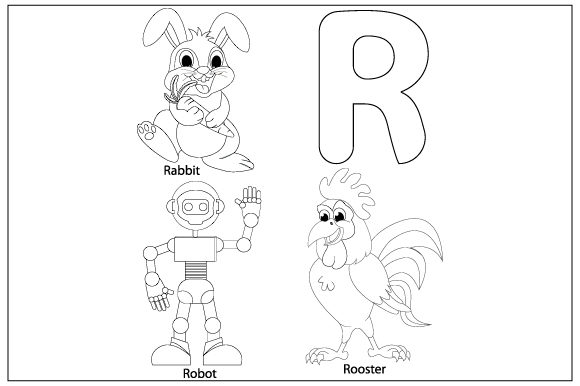
Opening this file, the first impression is pure, playful charm. This isn’t a formal, rigid letter. It has a friendly, almost storybook quality. The layout feels organic, with soft edges and a whimsical theme that suggests coloring and creativity. The detail level is thoughtfully balanced—it has enough visual interest to stand out, but it avoids overly intricate lines that could become muddy in stitching. This visual personality immediately tells me it belongs to projects centered around childhood, learning, and personalization. It feels like it’s meant to be on something a child would love, or a gift that celebrates a young person.
The Perfect Real-Life Project Scenario
Let’s paint a picture. I’m preparing a custom embroidered tote bag for a client who wants a unique gift for her granddaughter, Rosie. She wants something cheerful, personal, and durable. This “Coloring the Letter R” design jumps to mind. Stitched onto a bright cotton tote bag, this letter becomes more than just an initial—it becomes a playful emblem. I can imagine pairing it with a few simple motifs or stitching it in a vibrant thread palette. The finished product wouldn’t just look “decorated”; it would feel special and handmade. This is the kind of embroidery file that elevates a simple item into a memorable personalized gift.
Where This Design Thrives in Embroidery
Based on its style, this design performs beautifully across a range of real-life embroidery situations. Its clear, bold shapes make it a strong candidate for:
- Custom apparel like children’s sweatshirts, t-shirts, or baby clothes, where a single, cheerful initial stands out.
- Home goods such as pillow covers, aprons, or kitchen towels in a nursery or family kitchen.
- Boutique merchandise for small shops selling personalized items—think embroidered patches on backpacks or monogrammed blankets.
- Holiday and gift items, especially for birthdays, where a personalized cap or tea towel feels extra thoughtful.
- Digital product previews for Etsy sellers creating printable mockups, as the clean vector formats (SVG, Ai, EPS, PDF) included in the ZIP file are ideal for crisp graphics.
The design’s inherent friendliness boosts visual appeal and customer trust in a handmade presentation. When a buyer sees a well-executed, clean stitch rendition of this letter on a product, it signals care and professionalism, which directly enhances product value and buyer engagement.
Careful Considerations for Stitching Success
To ensure this design looks its best, some practical embroidery notes are crucial. While the included file formats are excellent for scaling and editing, the success of the finished product depends on your embroidery setup.
I would advise using this design carefully on:
- Very small hoop sizes where the larger shape might lose its presence.
- Highly textured or very thin fabrics without the right stabilizer, as the fill areas need a stable base.
- Dark fabrics without first testing thread color contrast—a light letter on a dark background needs bold, opaque thread choices.
- Curved surfaces like caps, where the design’s flat, open layout might need slight adjustments for optimal placement.
- Products requiring frequent washing, where a robust stitch density and quality threads will ensure longevity.
The key is to always test the design on scrap fabric first. Run a sample on both a light and dark background to check stitch clarity, especially in any smaller interior details. Inspect how the satin stitch or fill stitch areas behave with your chosen thread colors and stabilizer.
How This Design Impacts Your Craft Business
For craft business owners and digital product sellers, “Coloring the Letter R for Children” is more than a graphic; it’s a versatile design asset. Its mood creates instant recognition and giftability. When used consistently across a line of personalized products—say, a series of initial-themed items—it can help build brand consistency for a small shop focusing on children’s goods or personalized gifts.
Before selling any finished items, it’s essential to confirm the licensing terms of the embroidery file for commercial projects. The product is categorized as Illustrations and Graphics, which typically implies use in designs, but always verify. For commercial embroidery projects, this file can be a cornerstone for creating a whole range of custom apparel and small shop products, from Etsy listings to craft fair offerings.
Final, Practical Designer Notes
My overall judgment is that this is a solid, charming design with real project potential. To maximize it:
- Use the vector files (Ai, EPS, SVG) to adjust size precisely for your specific hoop size and product.
- Plan your thread colors to enhance the “coloring” theme—bright, playful palettes will bring it to life.
- Consider its application as an embroidered patch; it would work wonderfully as a standalone item.
- Remember that its success hinges on your embroidery technique. Proper stabilizer for the fabric texture is non-negotiable.
- Always, always stitch a test piece. It’s the single best step to guarantee your finished product—whether it’s a tote bag design, sweatshirt embroidery, or baby embroidery—looks exactly as charming and professional as this design promises on screen.
“Coloring the Letter R for Children” has that friendly, approachable character that connects with people. In the right hands, with thoughtful execution, it turns into an embroidery project that feels both personal and polished—the exact combination that makes for a great handmade product.