A Practical Review of the Kids Coloring Animal Bear Vector
When you’re looking at embroidery files, especially ones labeled under categories like Coloring Pages Amp and Graphics, it’s easy to get caught up in the technical specs. But as a designer who actually stitches these designs for clients and my own shop, the real question is always: will this work, and look good, in a real project? Today, I’m putting the Kids Coloring Animal Bear Vector through that lens.
The First Impression: Friendly and Versatile
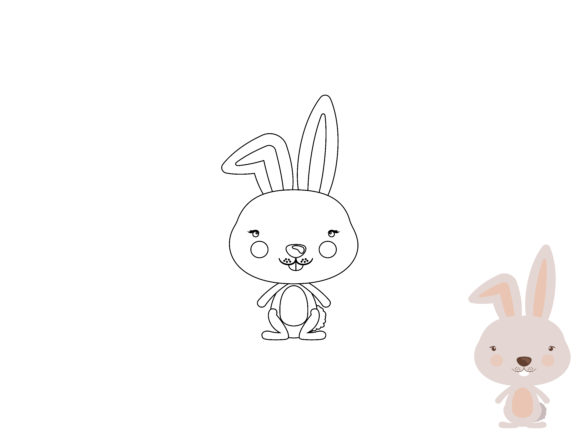
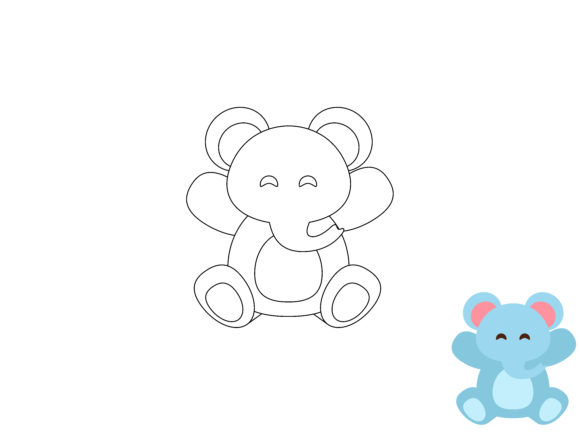
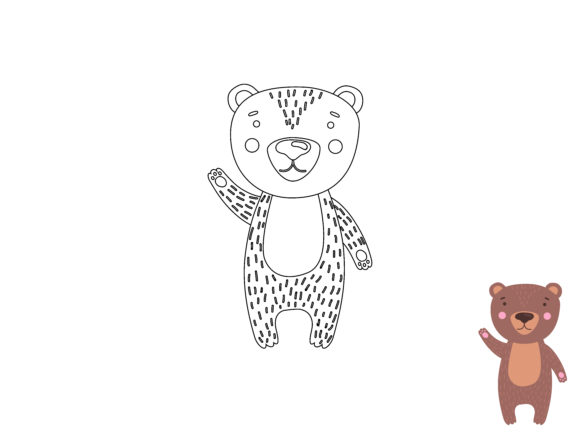
Opening the Kids Coloring Animal Bear Vector immediately gives you a sense of its purpose. This isn’t a hyper-detailed, realistic bear; it’s a friendly, approachable character with a clear, simple outline. The mood it creates is playful and warm, perfect for projects aimed at children, gifts, or any product needing a touch of wholesome charm. The shape is bold and well-defined, which is the first crucial sign for a successful embroidered patch or custom apparel design. Too many tiny details can vanish in stitching, but this layout feels built for clarity.
Where This Bear Shines in Real Embroidery Projects
Let’s talk about application. I immediately pictured this on a baby embroidery item, like a personalized blanket or a little sweatshirt. Its friendly personality translates perfectly. But its usefulness goes far beyond nursery decor.
Consider a real scenario: you’re preparing a batch of embroidered tote bags for a craft fair. You want something eye-catching, universally liked, and stitch-efficient. This bear vector fits. It would also be a standout on a kitchen towel or apron as a gift, or as a sweet accent on a pillow cover. For small business merchandise, like caps or simple tees, it offers that recognizable, giftable quality that buyers often seek. Because it’s a vector file, described as openable, editable, and resizable without losing quality, you can confidently adapt it for a small hoop size for a baby cap or enlarge it for a centerpiece on a sweatshirt.
Building Customer Trust with Clean Stitching
Using a clean, well-defined design like this directly impacts customer trust and your product’s perceived value. When the embroidered lines are crisp—likely using satin stitch for the outlines and perhaps a fill stitch for larger areas—the finished product looks professional. That handmade presentation feels deliberate and skilled, not haphazard. This builds brand consistency for a craft business and increases buyer engagement. People are drawn to clear, cheerful imagery.
Caution Areas: Fabric and Placement Considerations
No design is perfect for every single scenario. Here’s where a practical eye matters. While the Kids Coloring Animal Bear Vector has a generally simple structure, you should be mindful on certain fabrics and products.
- Stretchy fabric or very thin fabric will require careful stabilizer choice to keep those clean lines from distorting.
- On dark fabric, thread color contrast becomes paramount. You’d likely want to use bright, light threads to make the bear pop.
- For curved surfaces like caps, test the resized design on a mockup first. Ensure the bear’s shape doesn’t get awkwardly warped by the curve.
- If there are any internal small details (like tiny facial features), inspect them closely before stitching. You may need to simplify them slightly to ensure stitching clarity.
- For products that need frequent washing, like baby clothes, consider using durable threads and potentially a slightly reduced stitch density to maintain fabric flexibility.
These aren’t flaws of the design; they’re just standard embroidery designer notes for any project.
Essential Steps Before You Hoop the Fabric
Before you commit this bear to a client’s wedding gift or your next Etsy listing, do your due diligence. This isn’t about the file’s quality—it’s about your final product’s quality.
- Test on scrap fabric first. Use the same material you plan for the final item. This reveals how fabric texture interacts with the design.
- Check thread color contrast. Run it in both light and dark digital product previews or simple black-and-white mockups.
- Review stitch density once you’ve converted it to an embroidery file. Too dense can pucker fabric; too sparse can look weak.
- Confirm your hoop size and the design’s placement. A vector is resizable, but you must ensure it fits your machine’s capabilities.
- If you’re selling the finished items or using it in commercial embroidery, confirm licensing before you begin. The product description mentions it’s a vector file for graphic programs, but always verify the specific terms for commercial use.
The Final Word on Visual Appeal and Professionalism
In the end, the Kids Coloring Animal Bear Vector stands out as a reliable, cheerful asset. It’s not overly complex, which in embroidery, is often a strength. It allows the craftsmanship of the stitching to be the hero. Whether you’re creating a personalized gift, stocking your small shop product line, or offering it as a digital embroidery file to other makers, this design has the visual personality to connect with people. It feels timeless and kind. And in a world of handmade goods, that kind of genuine, well-executed charm is exactly what turns a simple embroidery project into a beloved finished product.