Coloring Mandala Art 0115: A Graphics Asset for Creative Projects
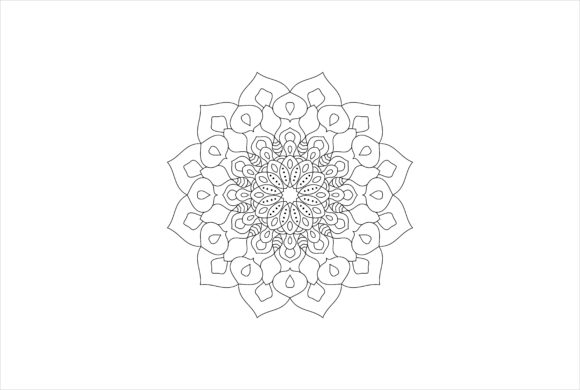
Opening the file for Coloring Mandala Art 0115, my immediate impression is one of balanced intricacy. This mandala design asset doesn’t scream with chaotic detail; instead, it offers a rhythmic, symmetrical pattern that feels both meditative and decorative. It leans into a style that is timeless—artistic without being overly rustic, structured yet organic. For a designer reviewing assets for a real client project, this sets a specific mood: calm, intentional, and slightly artistic. It naturally fits projects for clients in wellness, handmade crafts, mindful brands, boutique retail, or any business wanting to communicate a sense of care and attention to detail.
Where This Mandala Graphic Excels in Client Projects
I’m imagining a recent project: a local yoga studio launching a seasonal workshop series. They need a cohesive visual identity for their posters, social media, and printable workshop materials. Coloring Mandala Art 0115 becomes a central piece. Its symmetrical nature makes it incredibly versatile across formats. For large layout areas—like a poster or website hero graphic—the design fills space beautifully without overwhelming the content. It can serve as a full background or a large decorative sidebar.
In product mockups, this asset shines. Think of a mockup for a tote bag, a mug, or a sticker set for the studio. The mandala, provided as a vector file like SVG or AI, allows for crisp scaling and easy color adjustments to match brand colors. For a sublimation design or a Cricut project, the clean lines are essential. The available DXF format speaks directly to this use case, making it a practical choice for crafters and digital sellers creating physical merchandise.
As a decorative accent, it supports themed collections beautifully. If the client is running a “mindful autumn” campaign, this mandala can be adapted for invitation borders, packaging details on product boxes, or as a repeating pattern on digital ads. Its structure lends itself to being a supporting brand element—not the logo itself, but a graphical motif that reinforces the brand’s visual language across marketing visuals, from Pinterest pins to editorial design in a blog.
Testing the Asset in Real Design Situations
Before committing to using this graphic design asset for a client, a professional review is crucial. First, I always test it in black and white. How does the pattern hold up without color? Coloring Mandala Art 0115, given its balanced linework, maintains its form, which is vital for print scenarios where color might be limited or for ensuring accessibility in graphics.
Next, contrast. Placing the PNG (assuming it has transparency) on both light and dark backgrounds reveals its behavior. On a light background, the lines are clear and delicate. On a dark background, it might need a slight color inversion or a white stroke to remain legible, depending on the use. Previewing it at small sizes—like on a social media profile icon or a small product label—is critical. The intricate details might soften or become a texture rather than a distinct pattern, which can be acceptable for a decorative effect but problematic if you need clear definition.
The real test comes with placement on actual mockups. For a product label, I overlay it. Does it compete with the typography for the product name? With a mandala, hierarchy is key. It should enhance, not dominate. Pairing it with different font styles tells a story. With a clean sans serif font, the mandala adds artistic warmth. With a script font, it might feel too ornate. Finding the right balance is part of the design judgment.
Practical Considerations for Professional Use
A major advantage of this digital product is its multi-format availability. The AI and EPS files mean it’s fully editable for brand customization—colors can be changed, elements can be isolated. The SVG file is gold for web design and scalable graphics. The JPEG and PNG provide ready-to-use options for quicker tasks like Canva templates or blog visuals. Before any commercial use, confirming the commercial license is, of course, non-negotiable. For a client’s branding, packaging design, or merchandise, you must have the rights.
Print quality is another checkpoint. Exporting a section of the vector art at a high resolution for a test print on the intended material—perhaps cardstock for an invitation or fabric for a t-shirt design—reveals any potential line thickness issues. The design’s intricacy should translate crisply.
Where This Asset Requires Careful Application
While Coloring Mandala Art 0115 is versatile, it’s not a universal fit. In crowded layouts with multiple photos, text blocks, and other graphics, adding this mandala can clutter the visual field, reducing readability and making the design feel busy. It should be used sparingly or as a very subtle texture.
For projects demanding very clean visual hierarchy, like a professional corporate report or a minimalist branding system for a tech startup, this asset likely wouldn’t align. Its decorative nature can distract from a message that requires stark clarity and modern design simplicity.
Similarly, on complex backgrounds—like a photograph with varied tones—the mandala might lose its impact or create visual confusion unless it’s thoughtfully isolated or given a clear backdrop. Its strength lies in being a focal point or a clean accent, not an element buried in visual noise.
The Impact on Brand Perception and Audience Engagement
Integrating this asset into a client’s project affects several intangible qualities. It boosts emotional appeal by injecting an artistic, human-made feel—perfect for a handmade business or small business branding seeking to establish visual trust and authenticity. It can enhance the professionalism of a project not by being corporate, but by showing a coherent and considered design approach.
For audience engagement, especially on platforms like Instagram or in printable wall art, such a graphic can be inviting. It suggests creativity, mindfulness, and detail, which can resonate deeply with specific communities. In commercial design assets for an Etsy shop or print-on-demand store, it helps products stand out by offering a unique, non-generic visual.
However, brand consistency is paramount. If this mandala becomes part of a brand’s toolkit, it should be used consistently in color and scale across touchpoints—from the website graphics to the packaging design—to build recognition. It shouldn’t be a one-off novelty.
Final Designer Notes Before Client Submission
My final checklist for using Coloring Mandala Art 0115 in a real project includes: verifying the SVG paths are clean for any needed edits, ensuring the PNG transparency is flawless for overlay uses, and confirming that the chosen color palette from the mandala harmonizes with the client’s existing brand colors. I’d also compare its use alongside other elements in a complete mockup—a poster with text, a mockup of a mug—to see the holistic effect.
This graphics asset from the Coloring Pages Amp category isn’t just another clipart. It’s a structured illustration with practical applications. For designers working on branding, marketing visuals, or digital products, it offers a ready-made element that can elevate a project’s polish when applied thoughtfully. It solves the need for a decorative, trustworthy pattern without requiring hours of custom illustration work, making it a valuable piece in a professional designer’s toolkit for the right kind of creative marketplace project.