Dog Coloring Kids: A Friendly Graphic for Casual Branding
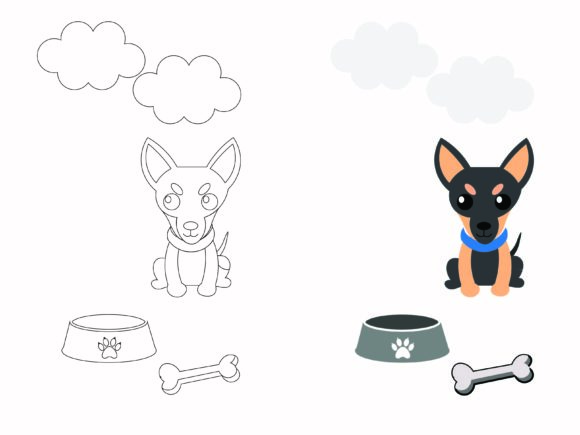
When a new graphic design asset arrives in my toolkit, my first question is always: what story does this tell my audience? Opening the Dog Coloring Kids vector files, my immediate impression is one of playful warmth and approachable simplicity. The friendly, illustrated canine carries a distinctly casual, family-oriented, and creative mood. This isn't a graphic for corporate austerity; it’s for brands and content that want to feel handmade, welcoming, and connected to lifestyle, hobbies, or youthful energy.
The Emotional Tone: Building Trust Through Playful Visuals
In a practical marketing scenario—say, a small business launching a line of handcrafted dog toys or a blogger creating a downloadable activity pack for kids—the emotional tone of this illustration is its biggest asset. It communicates innocence, fun, and care. This directly influences audience perception, fostering trust and an emotional connection far quicker than a sterile stock photo. For brands in the pet lifestyle, parenting, creative education, or casual e-commerce spaces, Dog Coloring Kids can be the visual anchor that makes your content feel less like a sales pitch and more like a shared interest.
From First Impression to Campaign Consistency
Consider a real project: a seasonal promotion for a pet-coaching service, needing fresh social media graphics, email banners, and a lead magnet like a printable coloring sheet. Here, Dog Coloring Kids becomes a versatile hero graphic. Its vector nature means it can be resized without loss for a bold Instagram post, scaled down for a Pinterest pin thumbnail, and adapted into a clean header for a campaign landing page. Using this single, consistent asset across all these touchpoints builds stronger recognition and a more professional appearance. The audience begins to associate that friendly dog illustration with your brand’s voice, creating a clearer visual hierarchy where your message stands out.
Where This Graphic Design Asset Thrives
In my work as a brand designer, I see several key applications where Dog Coloring Kids supports marketing goals effectively.
- Social Media Graphics & Digital Ads: Its clear, open shapes make it perfect for Instagram posts or Facebook ads, especially when paired with a concise offer. It attracts attention without looking messy.
- Content Marketing & Lead Magnets: As a central element in blog graphics or downloadable content bundles (like coloring pages), it improves engagement and makes the product presentation more inviting.
- Product Presentation & Merchandise: For digital sellers creating t-shirt designs, packaging inserts, or product labels for pet-related goods, it offers a ready-made, editable illustration that ensures a consistent brand identity.
- Branded Templates & Campaign Headers: Dropping this SVG design into Canva templates for event flyers or promotional banners allows content creators to maintain a cohesive look quickly, saving precious time.
The Practical Power of a Vector Asset in Real Workflows
The description notes this is a vector graphic, openable, editable, and resizable. This isn’t just a technical detail; it’s the core of its value for professional branding. When building a content kit for a client, I can instantly tweak the colors to match their brand palette. I can isolate elements for animations or simplify it for a tiny sticker design without pixelation. This flexibility is why such digital products are staples in a modern design workflow. For the small business owner or online coach without deep design skills, having this editable asset means they can still produce high-quality marketing visuals that look cohesive.
Navigating Potential Limitations for Professional Results
Even the most useful illustration has contexts where it requires careful application. Dog Coloring Kids, with its playful, outlined style, should be used thoughtfully in certain situations to avoid undermining your message.
- Formal Corporate Branding: It would likely clash with the serious tone of a financial services logo or a law firm’s website header.
- Dense Information Layouts: In a text-heavy editorial design or a complex infographic, it could compete with the main message rather than support it.
- Overly Minimal Brands: If your entire brand aesthetic is stark minimalism, this graphic might introduce unintended visual noise.
- Small Mobile Graphics: While resizable, fine details might become lost or muddy at very small sizes, so previewing it on mobile screens is crucial.
A Brand Designer's Checklist Before Launch
Before committing Dog Coloring Kids to a live campaign, I run through a short, practical list. This ensures the asset enhances the brand, not just decorates it.
- Color Palette Test: Recolor the illustration to fit your brand’s primary and secondary colors. Does it retain its charm and clarity?
- Typography Pairing: Place it alongside your brand fonts—serif, sans serif, script. Does it balance well with the type, creating a harmonious composition?
- Mockup Preview: Insert it into real campaign mockups: a Facebook ad frame, an email banner, a product label template. Does it strengthen the visual hierarchy?
- Competitor Comparison: Look at competitor visuals. Does this graphic help you stand out while staying authentic to your niche?
- Licensing Confirmation: Always verify the commercial license terms before using it in paid client work or permanent business branding like logo design.
Following these steps turns a simple download into a strategic brand decision.
The Final Take: A Memorable Asset for Creative Entrepreneurs
Ultimately, Dog Coloring Kids is a strong design asset for a specific, valuable niche. It supports content that needs to attract attention in crowded spaces like social media or marketplaces while maintaining a professional, trustworthy appearance. For the marketer, blogger, or product creator in the pet, family, craft, or lifestyle arena, it offers a shortcut to visual consistency and emotional resonance. Used thoughtfully—as a decorative brand element on packaging, a hero graphic for a seasonal offer, or the friendly face of a media kit—it can make your marketing materials more memorable and your brand communication feel effortlessly cohesive. It’s a reminder that in content marketing, sometimes the simplest, most honest illustrations create the strongest connection.