Reviewing the Bear Vector: A Graphic Asset for Blogs & Coloring Pages
First Impressions: Playful, Approachable Editorial Mood
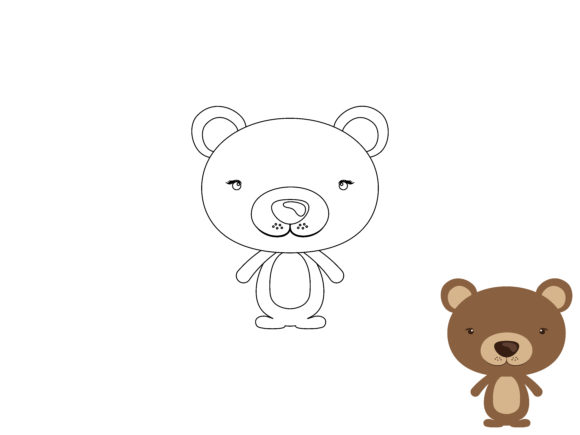
When you download a graphic asset like this Kids Coloring Animal Vector Bear, your first thought should be about the editorial mood it creates. This particular design is instantly playful and warm. It has a friendly, approachable quality that immediately signals content meant for families, educators, or creative projects. It doesn’t feel corporate or sterile; it feels inviting. For a blog or website focused on parenting, early education, children’s activities, or simple creative arts, this vector bear establishes a visual tone that is both supportive and engaging. It leans into a lifestyle-focused and educational niche perfectly.
Integrating the Bear into a Real Publishing Workflow
As a digital publisher, my workflow often involves preparing multiple visuals for a single piece of content. Here’s how this editable vector file can be deployed across a real project—say, a blog post about “Fun Outdoor Activities for Kids.”
First, I need a featured image for the blog post itself. I can resize and edit this bear vector, place it on a clean background, and overlay my headline text. The friendly bear creates a stronger first impression than a generic stock photo, making the page look more purpose-built. For Pinterest graphics, which require vertical, eye-catching layouts, I can combine the bear with other elements from the set to create a compelling pin that stands out in a busy feed, improving click-through potential. The same applies to creating a banner for a related newsletter announcing the post.
Beyond the Blog Post: Supporting Content Marketing Assets
The value deepens when you think about supporting assets. If that blog post offers a lead magnet—like a downloadable “Nature Activity Pack”—this bear vector is perfect for the cover of that digital guide or the header of the printable worksheet. Using it across the blog graphic, the downloadable, and the promotional social media graphics creates more consistent branding. Readers start to recognize your visual identity, which builds improved reader trust. It signals that you’ve invested in a professional-looking content system.
Where This Design Asset Works Best
Based on its style, I’d prioritize this bear vector for specific uses where its playful character will shine.
- Hero images for category pages about kids’ crafts or coloring.
- Article thumbnails in a sidebar or related posts section.
- Pinterest pins focused on DIY, education, or family fun.
- Content upgrades and downloadable resources like coloring sheets or activity planners.
- Newsletter headers for a family-focused email.
- Social media previews for Facebook or Instagram posts linking to your content.
In all these cases, the asset supports clearer visual hierarchy. The bear becomes a focal point that draws the eye, allowing text and calls-to-action to be arranged around it effectively.
Points of Caution: Use Cases to Consider Carefully
Every graphic design asset has its limits. This bear vector, while versatile, should be used thoughtfully in certain contexts.
- Small mobile thumbnails: The detailed lines might become indistinct at very small sizes. Test it.
- Text-heavy blog images: If you need to overlay a lot of text, ensure the bear is simplified or placed in a low-opacity area to maintain readability.
- Serious professional niches: It would feel out of place on a corporate finance blog or a legal advice site.
- Busy layouts: Pair it with clean, minimal surrounding elements. Don’t overcrowd it with other complex graphics.
The key is alignment: this asset works best where the content’s tone matches its playful, creative visual mood.
The Technical Advantage: Vector Files for Publisher Flexibility
The product description highlights its core technical strength: it’s a vector file. This means it’s openable, editable, and resizable without losing quality. For a publisher, this is gold. I can open it in Adobe Illustrator, change colors to match my brand palette, resize it for a giant website header or a tiny Instagram icon, and even separate elements. This flexibility is crucial for building a cohesive brand identity across all your blog graphics and digital products.
Practical Publisher Notes Before You Hit Publish
Before you deploy any new design asset like this Kids Coloring Animal Vector Bear into your live content, run these practical checks.
- Test on screens: View the graphic on desktop, tablet, and mobile. How does it look as a thumbnail?
- Preview in layout: Drop it into a draft of your actual blog post or website header template.
- Test with typography: Place it beside your common font styles—serif, sans serif, script. Does it complement them?
- Check contrast & readability: If overlaying text, ensure there’s enough contrast. Try a black-and-white version for accessibility.
- Review file size for web: Once exported as a PNG or JPG for web use, compress it properly to maintain site performance.
- Confirm commercial licensing: Especially if using on monetized websites, affiliate pages, or within paid digital downloads, ensure your license covers your intended commercial design use.
Elevating Your Visual Content System
Ultimately, a well-chosen graphic asset like this isn’t just a decoration. It’s a tool for visual communication. It helps your editorial content look polished and intentional. For affiliate marketers promoting kids’ products, for online educators creating lesson materials, for small business owners selling creative printables, this bear vector can become a part of your creative design toolkit. It supports the goal of making your website presentation, your newsletter graphics, and your social media posts look cohesive, trustworthy, and clickable. In a world of crowded content, that professional edge matters.