A Designer's Review of the Coloring Mandala Art 0120 Graphic
First Impression: Precision with Playfulness
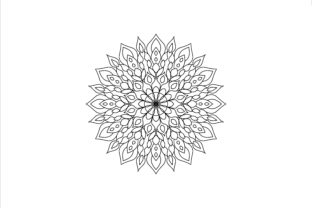
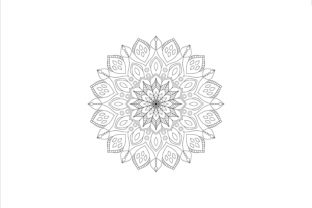
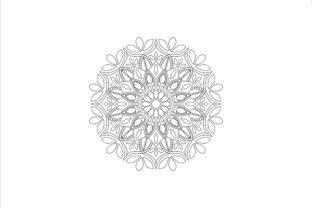
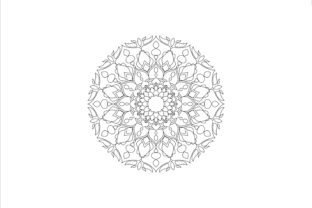
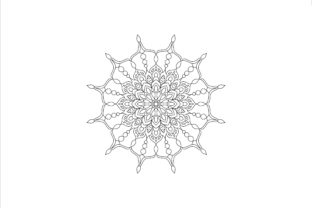
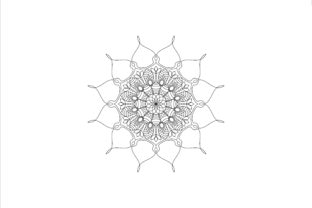
Opening the Coloring Mandala Art 0120 files, my immediate reaction is one of quiet satisfaction. This isn’t a loud, overly ornate piece; it’s a meticulously balanced graphic design asset. The mandala presents a structured, radial symmetry that feels both ancient and contemporary. The mood it creates is one of calm focus and deliberate creativity. It doesn’t shout; it invites. For a designer weighing a visual concept for a handmade business—say, a boutique line of organic soaps or mindfulness journals—this illustration’s precise lines suggest quality, while its inherent artistry aligns perfectly with crafts and artisanal values. It represents a style that bridges geometric order with organic, decorative appeal.
Fitting It Into a Real Client Project
Let’s frame this review around a realistic scenario. I’m developing a brand identity for a new small business selling herbal tea blends. The client wants the packaging to feel wholesome, intentional, and slightly mystical, but not overly generic. This is where Coloring Mandala Art 0120 enters the concept phase. As a supporting illustration, it could be etched subtly onto the lid of a tin, used as a watermark on parchment-style labels, or form the central motif of a subscription box insert. Its versatility across AI, EPS, SVG, DXF, JPEG, and PNG formats means I can adapt it seamlessly from vector-based logo design accents to high-resolution printable designs for product mockups. It immediately elevates the visual mood from simple to considered.
Where This Mandala Shines in Practical Application
In real design assets, this mandala performs exceptionally well in certain applications. Its clean, scalable nature makes it ideal for:
- Large layout areas: As a hero graphic on a website banner or a full-page backdrop in an editorial design brochure.
- Product-centric details: Engraved on mugs, debossed on tote bags, or as the intricate centerpiece for a sticker design set.
- Themed collections: Building a cohesive series of social media graphics for a seasonal campaign or a product launch on Etsy.
- Printable and digital products: As the core art for printable wall art, sublimation design for fabrics, or as a ready-to-cut file for Cricut projects.
- Decorative accents: Within packaging design—as a foil stamp on a box flap or a delicate pattern on a tissue paper wrap.
For marketing visuals like Instagram posts or Pinterest pins, the mandala provides instant visual interest that feels crafted rather than stock, aiding in audience engagement.
Caution Zones: Where to Apply Discretion
Every asset has its limits, and professional judgment is about knowing them. The intricate detail of Coloring Mandala Art 0120 means it should be used carefully in:
- Very small sizes: If reduced too much, the fine lines may blur or disappear, especially in print, breaking the visual hierarchy.
- Crowded layouts: Placing it alongside dense text or multiple other graphics can create visual noise and confuse the focus.
- Complex backgrounds: Over a textured or busy background, the mandala’s form can lose its definition and impact.
- Minimalist or corporate branding: While it suits modern design with a creative twist, it may clash with stark, ultra-professional brand identity systems seeking a very clean aesthetic.
The key is to treat it as a decorative accent or focal point, not as a ubiquitous pattern.
Impact on Brand Perception and Design Integrity
Using such an asset affects the entire project’s perception. This mandala, when applied appropriately, enhances visual trust and professionalism. It signals to customers that the brand invests in thoughtful details. For a small business branding project, that can be a significant differentiator. Its emotional appeal leans towards mindfulness, creativity, and quality—attributes many craft-based businesses want to convey. However, it must be integrated to maintain brand consistency. If the primary brand font is a sleek sans-serif, the mandala’s ornate nature creates a pleasing contrast. Pairing it with a script font might lean too heavily into ornamentation, whereas a clean sans serif font can ground it beautifully.
Essential Designer Checks Before Client Delivery
Before committing this asset to a final client deliverable, I run a standard set of practical tests:
- Scale and Contrast Test: Preview the graphic at both thumbnail size and full poster size. Check how the lines hold up.
- Color Flexibility: Test it in black and white, and on both light and dark backgrounds. The PNG transparency is invaluable here for overlays.
- Editability Review: Open the SVG or AI file. Can I easily recolor a section to match a brand palette? Is the vector structure clean for further adaptation?
- Print and Digital Mockup: Place it onto realistic product mockups—a tea box, a t-shirt, a website header—to judge its real-world impact.
- Licensing Confirmation: Absolutely confirm the commercial license allows use for the client’s print-on-demand products, physical goods, and digital ads.
These steps ensure the asset is not just beautiful, but robust and legally sound for commercial design work.
Final Judgment: A Versatile Asset for Creative Projects
Coloring Mandala Art 0120 is more than a simple clipart; it’s a polished, adaptable digital product for the creative professional. Its strength lies in its ability to add a layer of crafted sophistication without overwhelming a design. For designers, brand owners, and digital sellers working in the spaces where artistry meets commerce—crafts, wellness, lifestyle products, and creative marketplace goods—this graphic provides a ready-made element of precision that can shorten the design process and elevate the final result. It reminds us that good graphic design assets are not just about filling space, but about enhancing mood and meaning in real client work.