A Pig Design Ready for the Embroidery Hoop
Whenever I'm looking at a new design for potential embroidery work, I don't just see an image on a screen. I see a finished product. I imagine it stitched out on fabric, how the thread will flow, what kind of customer would want it, and whether it’ll add that extra bit of charm to a project. Today, I’m putting the Kids Coloring Animal Pig Vector under that same practical lens. This isn't a technical rundown of its specs—it’s a design judgment based on how it translates from a digital graphic to a real, tactile piece.
The First Impression: Friendly and Uncomplicated
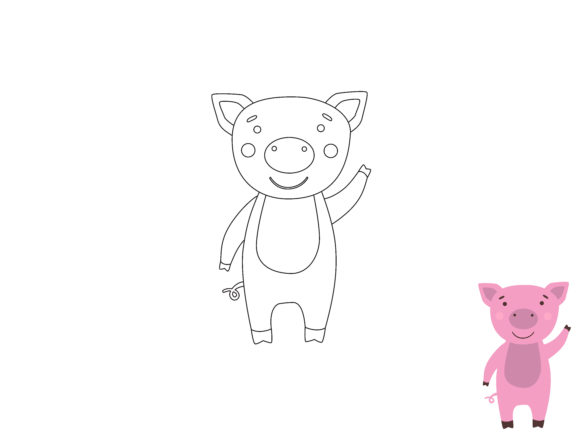
The moment I opened the Kids Coloring Animal Pig Vector, the mood was clear. It’s playful, approachable, and frankly, a bit joyful. The shape is simple and rounded, with a cartoonish personality that’s perfect for projects aimed at kids, families, or anyone who appreciates a lighthearted touch. The detail level here is key: it’s not overly complex. It has clean, defined lines and open spaces that make me think immediately of crisp satin stitches for outlines and manageable fill stitches for the larger areas. This isn't a design that’s trying to be a photorealistic masterpiece; it’s aiming to be a clear, friendly character that will stitch out reliably. It naturally belongs to projects where warmth and simplicity are the goal—think baby blankets, nursery decor, or a playful tote bag for a child.
Where This Pig Finds Its Home
In real-life embroidery situations, this design’s true value comes from its versatility. Because it’s a vector file—openable, editable, and resizable without losing quality—its application range is wide. I can envision it perfectly on custom baby clothes, where its soft shape wouldn’t be overwhelming. On a cotton apron, it becomes a whimsical kitchen accent. For a small business owner crafting products for a craft fair, it could be the star of a simple, embroidered patch sewn onto a canvas cap. The scalability means I could run a smaller version on a tea towel and a larger, more prominent one on the center of a pillow cover for a cohesive nursery set.
For creative entrepreneurs and Etsy sellers, this kind of design is a solid asset. It’s easily adapted for printable mockups to show potential buyers, and its clear visual personality helps create recognizable products. A series of items featuring this friendly pig—a sweatshirt, a tote, a blanket—could become a small, charming collection for a boutique. As a personalized gift, like a monogrammed baby item with the pig alongside a name, it adds that handmade presentation without being fussy.
The Practical Considerations for Stitching
Now, the real test for any embroidery design is how it behaves when the machine starts running. The Kids Coloring Animal Pig Vector, given its clean lines, suggests good stitching clarity. However, this is where a designer’s experience kicks in. We must think about execution.
On textured fabrics like a cozy sweatshirt, the simple shapes should hold up well, but stitch density needs to be appropriate to prevent sinking into the knit. On thin or stretchy fabric, a good stabilizer is non-negotiable to keep those rounded outlines smooth. One area to use carefully is on very small hoop sizes. While you can resize this vector, if you shrink it too much for a tiny detail on a cap, those open spaces inside the design might become too small for clean fill stitches, leading to a dense, stiff patch. Always test on scrap fabric first at your intended size.
Color contrast is another thoughtful step. This pig, likely on a lighter background in its coloring page style, would pop beautifully on a dark fabric like a navy tote bag with bright thread. But on a light background, you might want to deepen some thread colors to maintain definition. I always recommend testing the design in both black and white mockups to gauge its visual weight.
Enhancing Value and Avoiding Pitfalls
How does using this design affect the final product’s appeal? For a customer, a well-embroidered, friendly animal design on, say, a kitchen towel, increases its giftability and perceived value. It feels personal and crafted. For the maker, it supports brand consistency if your shop specializes in cheerful, family-friendly items. It builds customer trust because the final result looks intentional and professional—not messy or overcomplicated.
There are, of course, projects where this design might not be the best fit. For highly detailed corners or extremely dense stitch areas, this pig’s simpler form isn’t intended for that. It’s also not a design for layered garments with many seams or curved surfaces like caps unless you’ve carefully adjusted the size and tested the placement. And for products that need frequent washing, like baby clothes, the simplicity means fewer tiny details that could potentially wear over time, which is actually a benefit.
Notes from the Hoop: Before You Stitch
Before you commit this design to a client project or your next batch of small shop merchandise, here are my practical embroidery designer notes. Always, always run a test stitch. This confirms your chosen size, reveals any needed adjustments to thread colors, and lets you inspect how small details translate. Check the actual embroidery file you generate from this vector for stitch count and density—these are crucial for machine compatibility and fabric choice.
Since this falls under the Graphics and Coloring Pages category, pay close attention to licensing. Verify the terms before selling finished items or using it in commercial embroidery projects. Can you use it for physical products you sell? Is it cleared for digital product previews? This step is essential for professionalism and peace of mind.
Finally, think about the story your finished product will tell. The Kids Coloring Animal Pig Vector is more than a graphic; it’s a potential centerpiece for a handmade gift, a charming accent on custom apparel, or a reliable asset for your craft business. With thoughtful setup—proper stabilizer, appropriate hoop size, and fabric choice—this friendly little design has the potential to stitch out cleanly and bring a smile, both to you as the maker and to whoever ends up enjoying the final product.